Pedagogy and learning experience research
Building self-learning capabilities for rural students
Results at a glance
Overview
How can we develop intentionality in learning for rural students?
At an NGO, Vigyan Ashram, students learn hand-based skills that provide them opportunities in their rural areas to earn a livelihood. With 43 years of this course running, a new approach that blends digital skills and literacy is required to tackle the developing technology challenges.
Problem
Students completing the 1-year course at Vigyan Ashram master 4 core skills: food production, energy and environment, fabrication, and animal husbandry. However, these skills can become outdated due to limited exposure to advanced technologies. Thus, self-learning was essential for students to continue growing after the course.
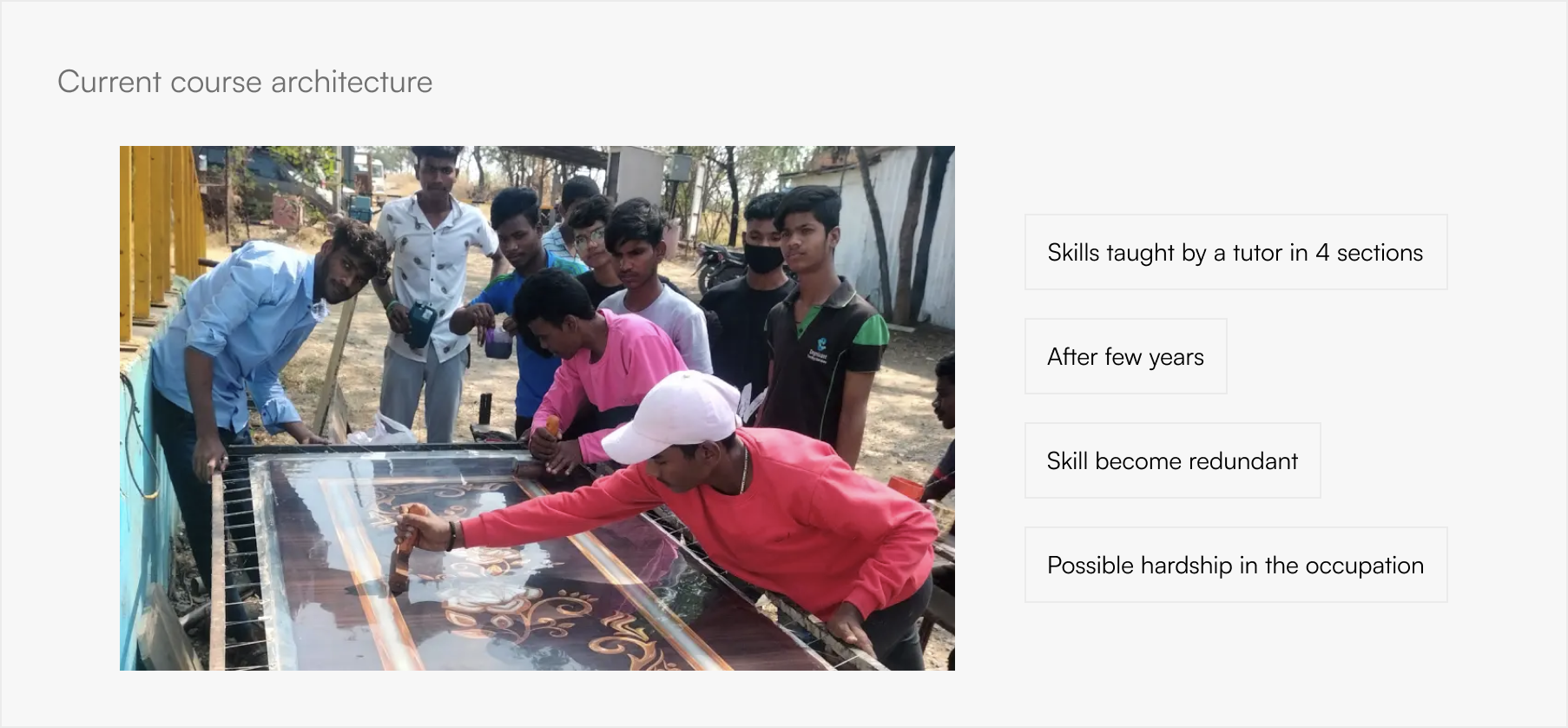
Opportunities
While building self-learning capabilities for ongoing growth, we took this as an opportunity to increase digital literacy of these students. Developing a learning model that could be used for students around the world based on interests in under-resourced areas.
Solution
Building intentionality in learning through giving learners the opportunity to learn their interests using the resources prepared by a combination of AI tools and human guides.
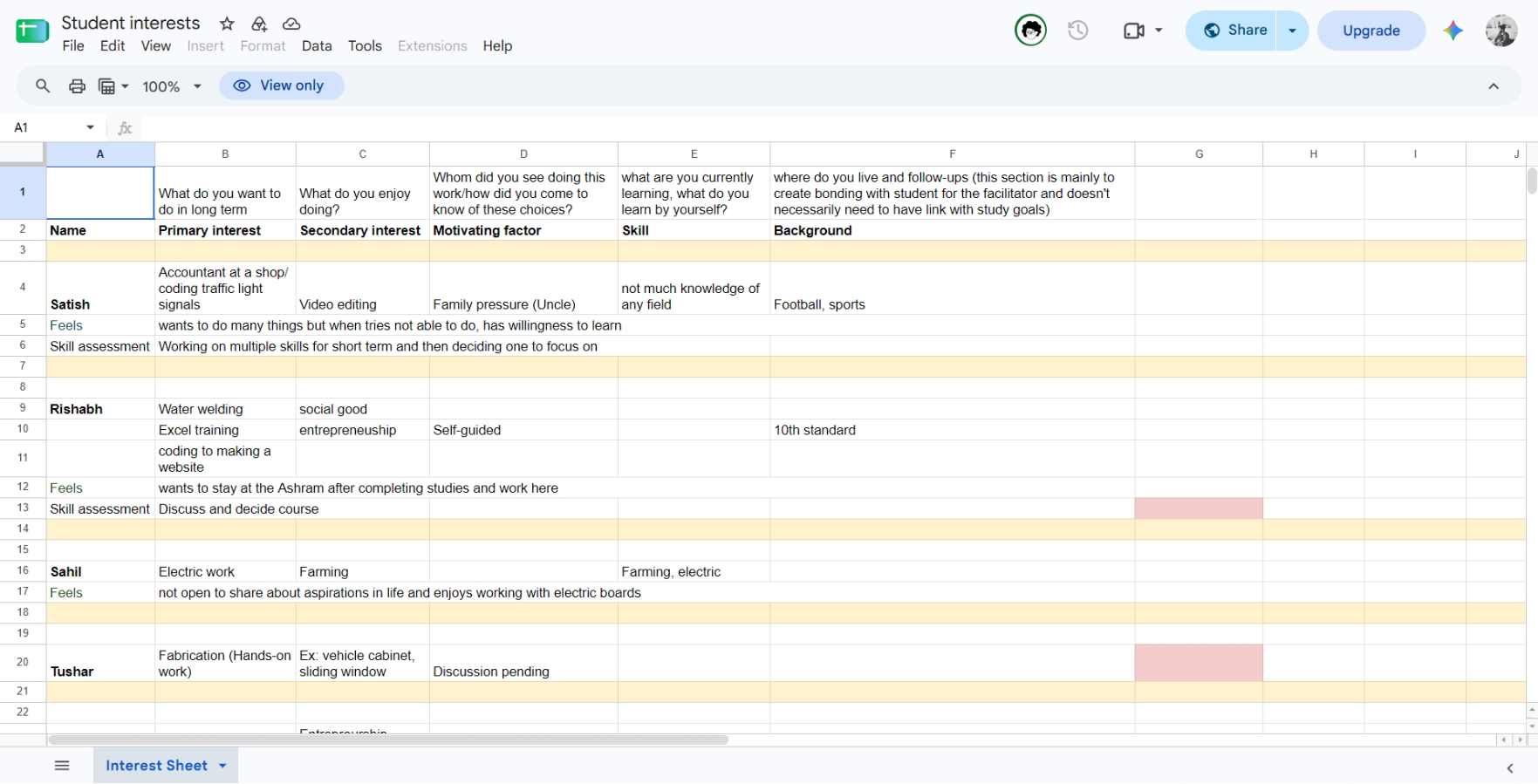
Student interests
Identifying student learning interests through interviews.
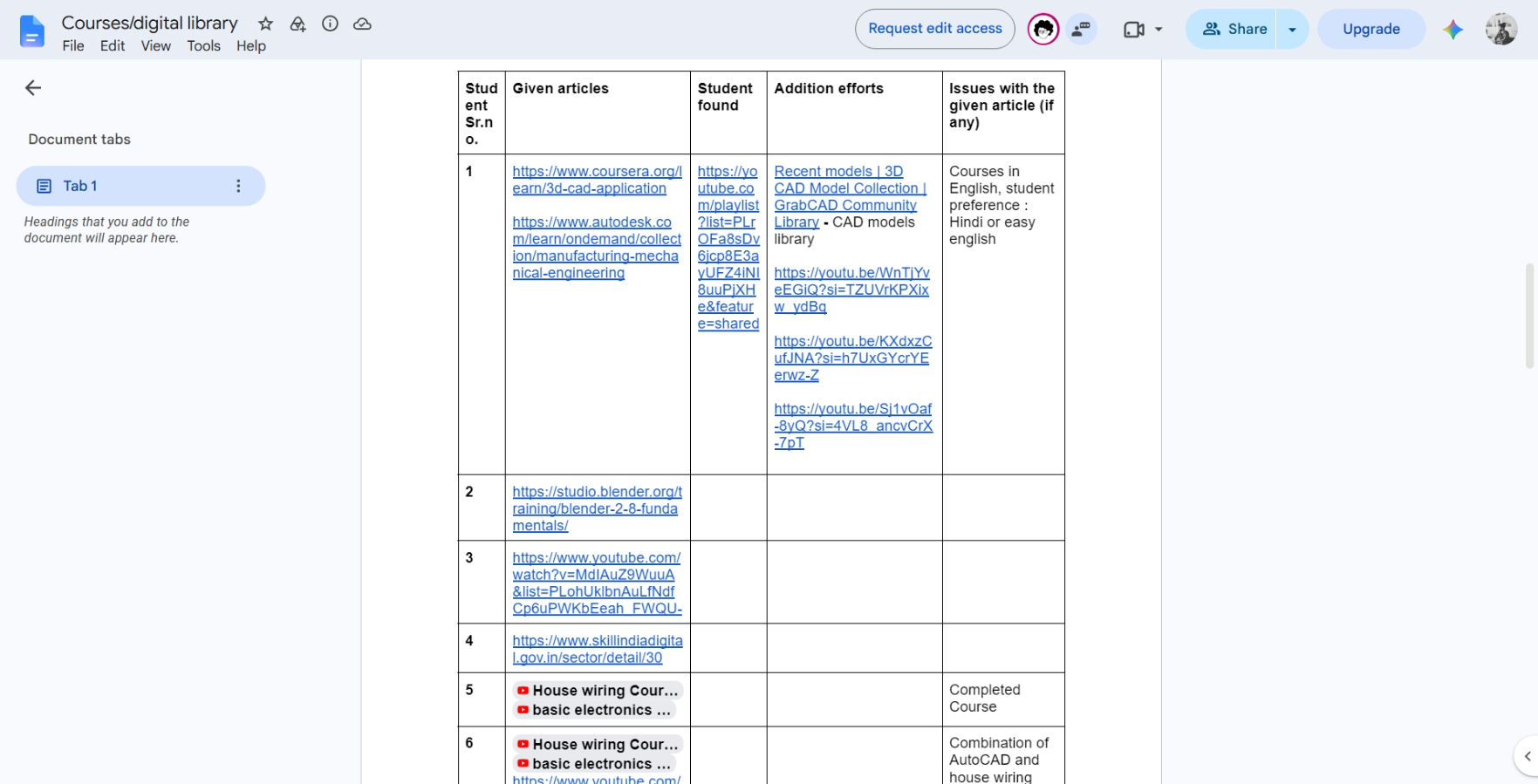
Giving resources to students
Students received learning resources tailored to their interests.
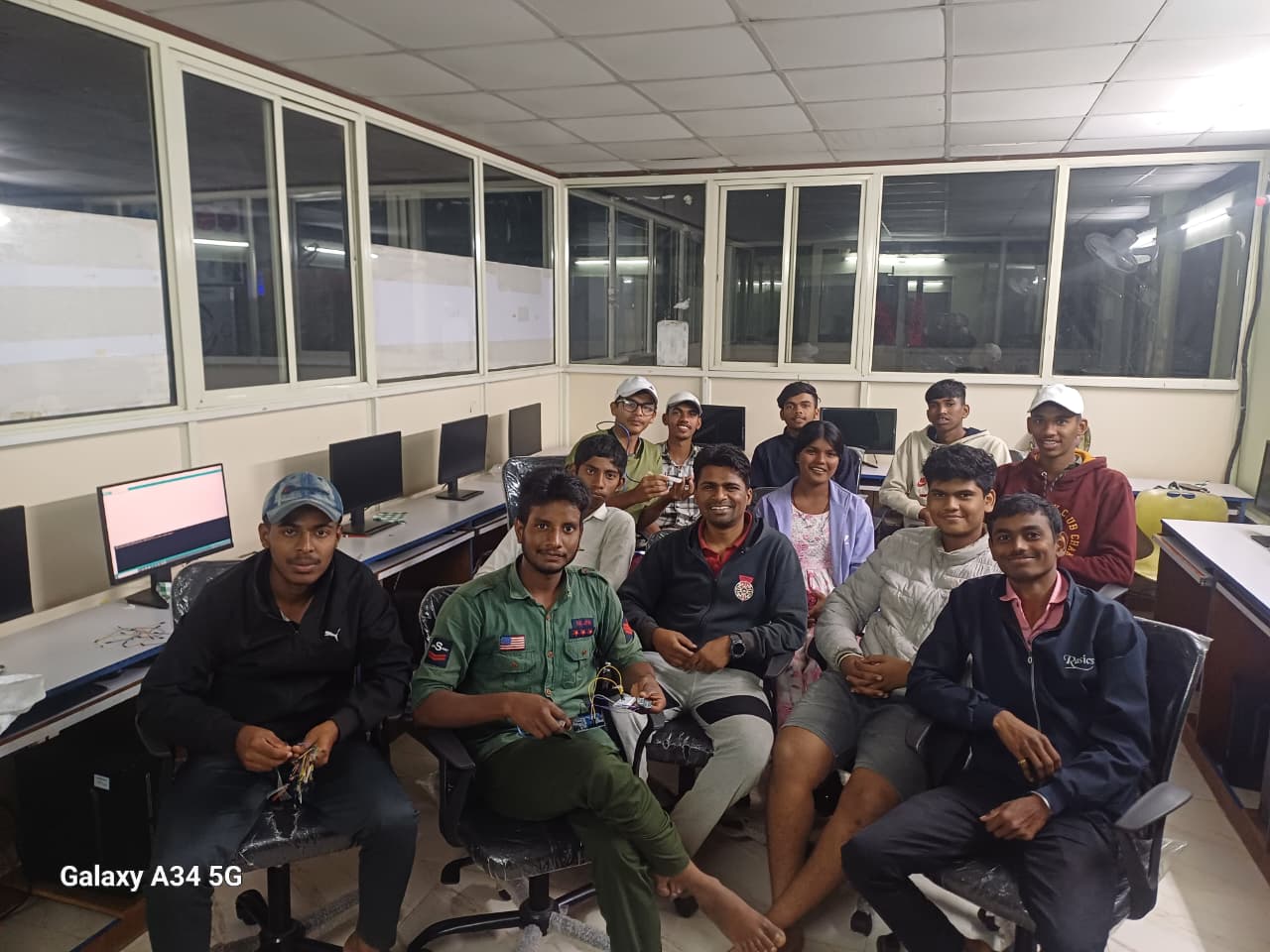
AI and self-learning training
Providing students with training to use AI and learn by themselves for long-term intentional learning
Research
Empathizing with the students
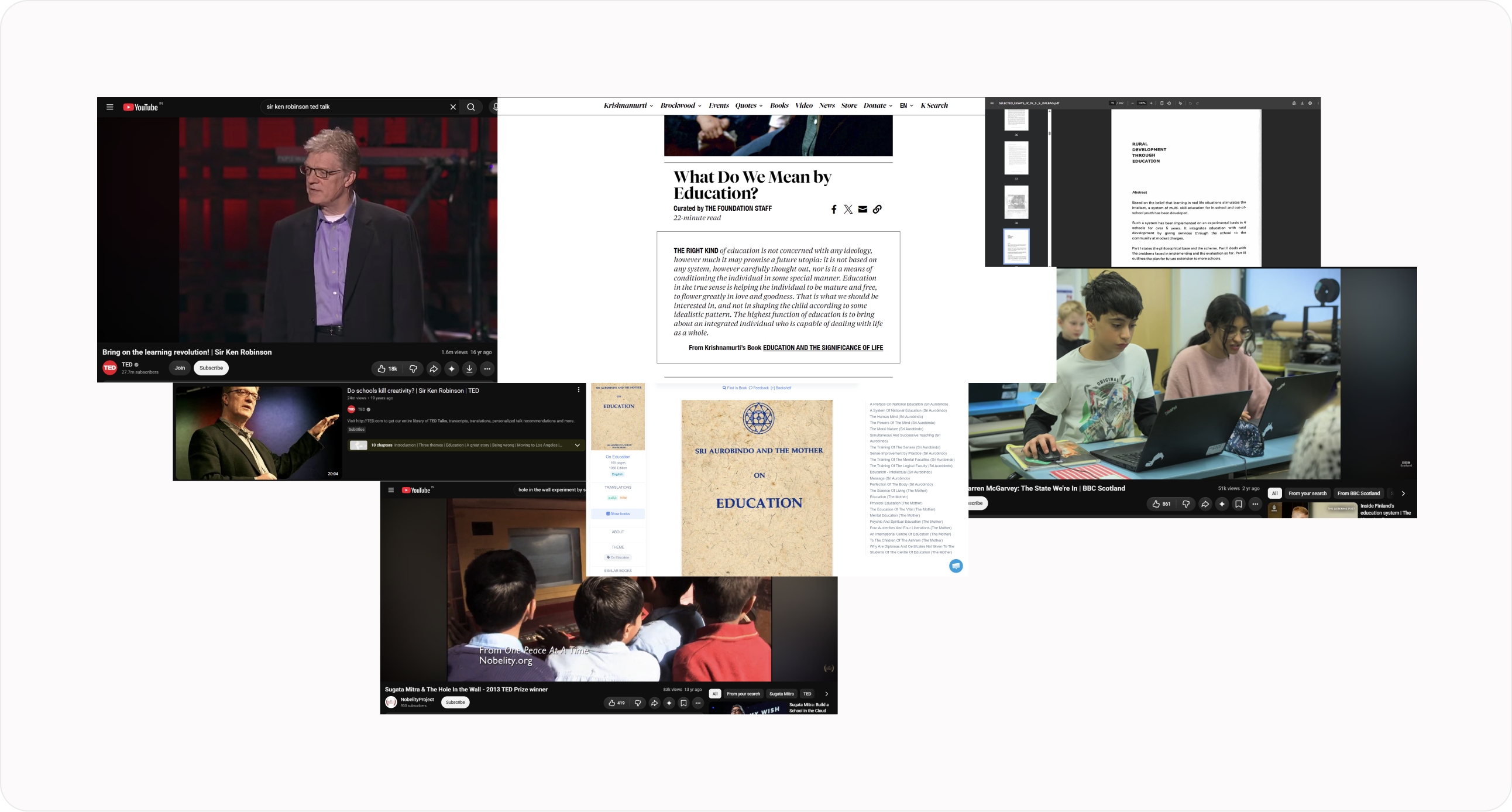
A major challenge in developing self-learning skills was the student interest in learning. A wide chunk of the participating students come from an underserved background and their exposure to education and digital tools remain very low. To build fascination in learning, we explored learning models:
Exploring learning models and philosophies
The 21st century education has developing needs. We started exploring philosophies and experiments related to education to guide the learning model creation for our requirements. One thing that stood out in the research was – “Student-centricity” or “participation of the learner in creating a learning model”
Interviews
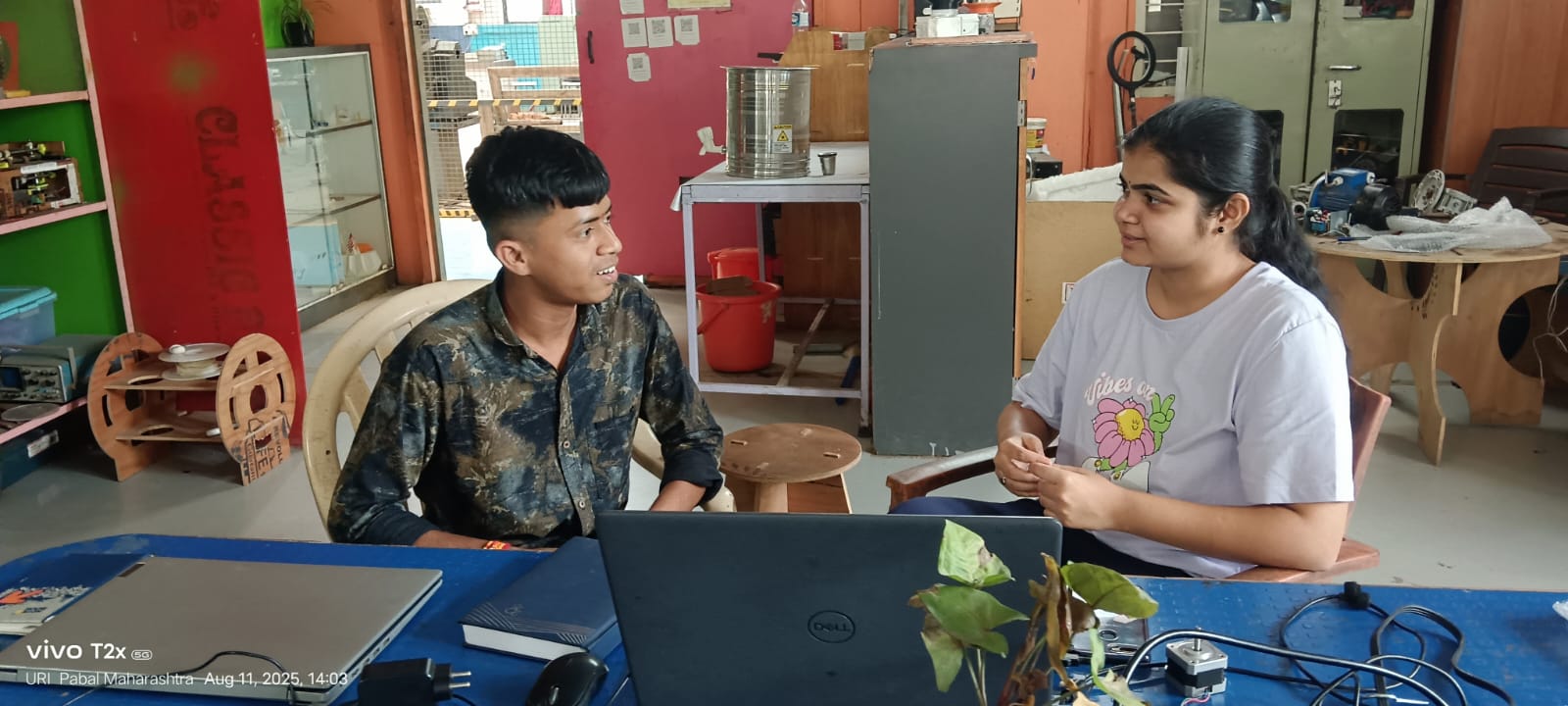
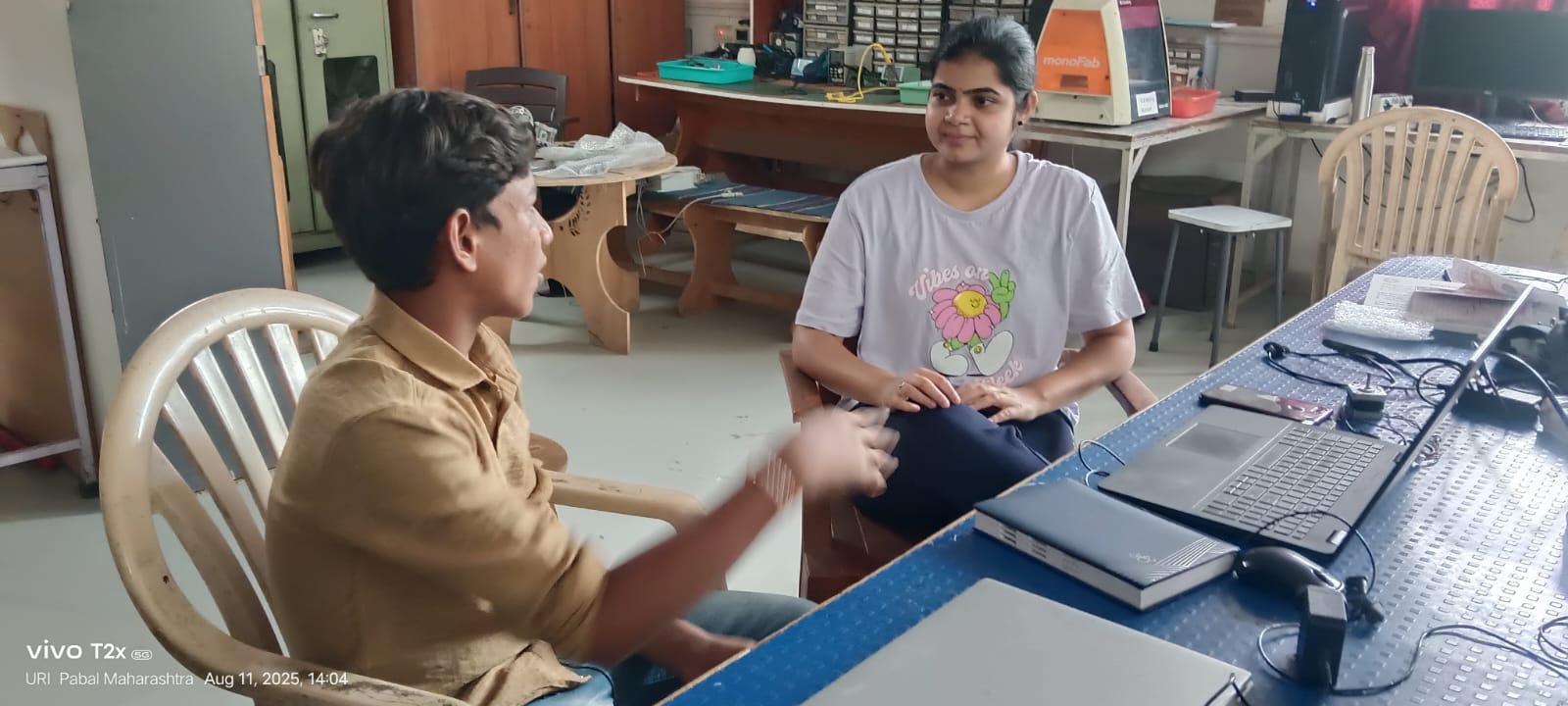
To understand first-hand perspectives of students in learning, we interviewed 25 students from the NGO (Vigyan Ashram) asking them questions about their primary and secondary learning interests, background and what motivates them for learning. The interviews were conducted in a non-formal setting with a peer mentor of same age to make them comfortable.

Defining
How do we move forward with the data and our research?
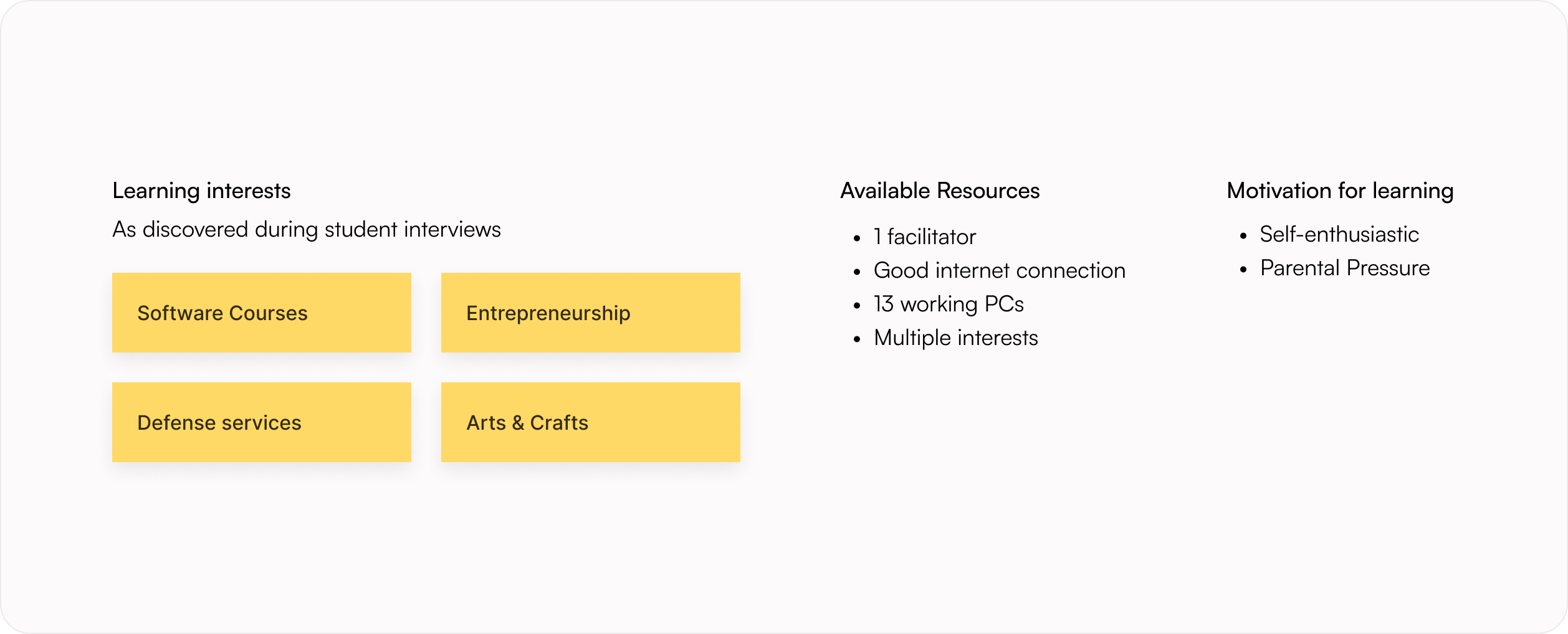
Based on the interviews with students, we identified interest categories for the students which included Entrepreneurship, Software-based courses, Defense Services and Arts & Craft. It became clear that students all had varied learning interests and we needed to develop a learning model that allows them to learn their interests.
Classroom
Ideating on the learning model
With student-centricity and individual course needs defined, we started ideating on the learning model and started with the idea on Minimally Invasive Education.
What works for students with low digital literacy?
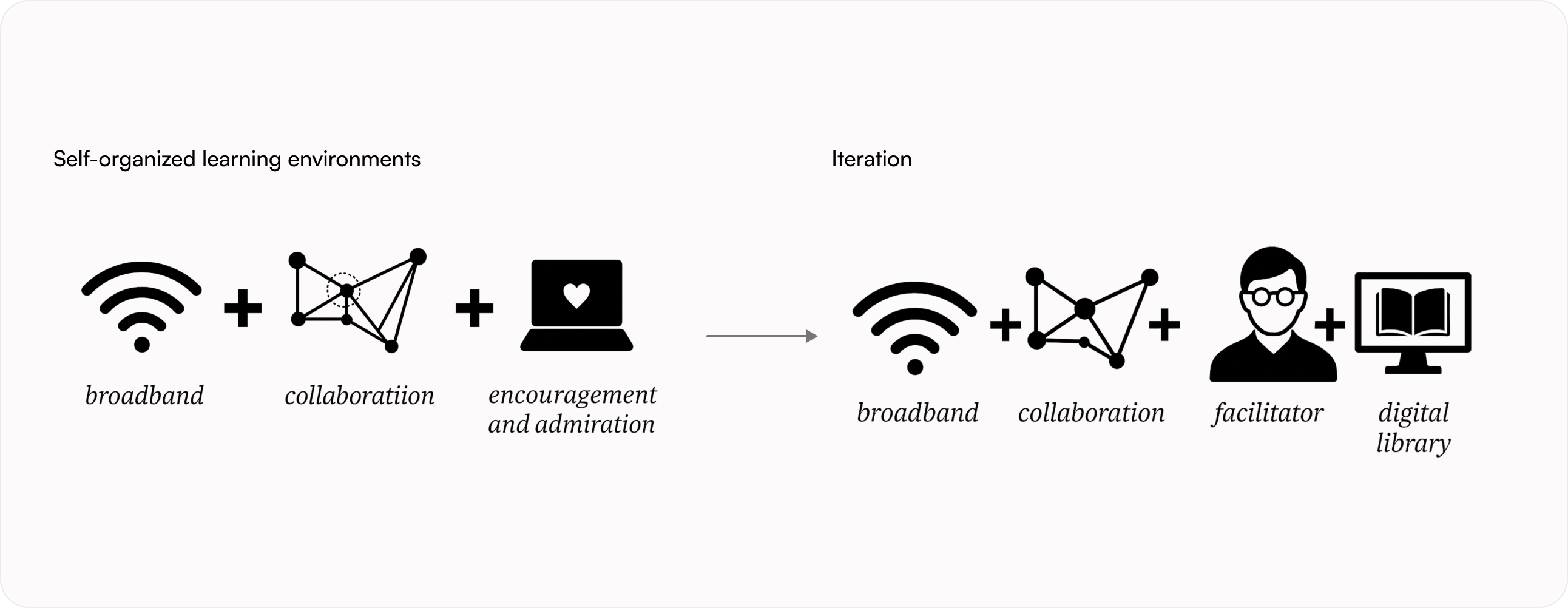
Previous experiments have explored the impact of independent computer access on student learning. One notable study is the “Hole in the Wall” experiment conducted by Sugata Mitra, which demonstrated that when students are provided with learning devices, they can teach themselves effectively without a teacher’s guidance. This experiment highlighted the concept of Self-Organized Learning Environments (SOLE), where students collaborate and learn autonomously, showcasing their ability to acquire knowledge in a supportive, technology-rich setting.
The learning model
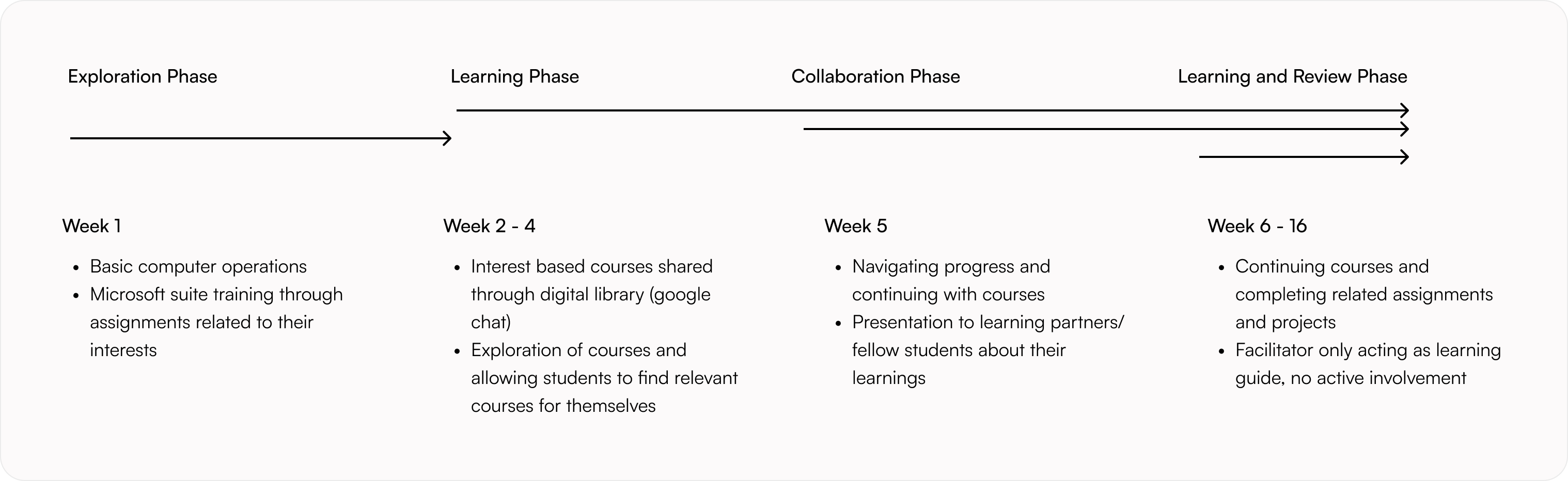
While SOLE prepares students for discovery, we wanted the new model to help participants realize how digital devices can be used for learning and self-development activities. Iterating on the original model, we added facilitator to help the students get guidance on basic computer operations like starting a computer and operating Microsoft suite. After week 1, student would be given their own interest based courses in a digital library to start their learning process.
Implementation
Curriculum
With the iterated version from SOLE, we started planning the curriculum for students. A major decision was minimum involvement of a teacher in the curriculum. Facilitator would act as a learning partner or guide whenever needed and involvement will reduce overtime.
Beginning
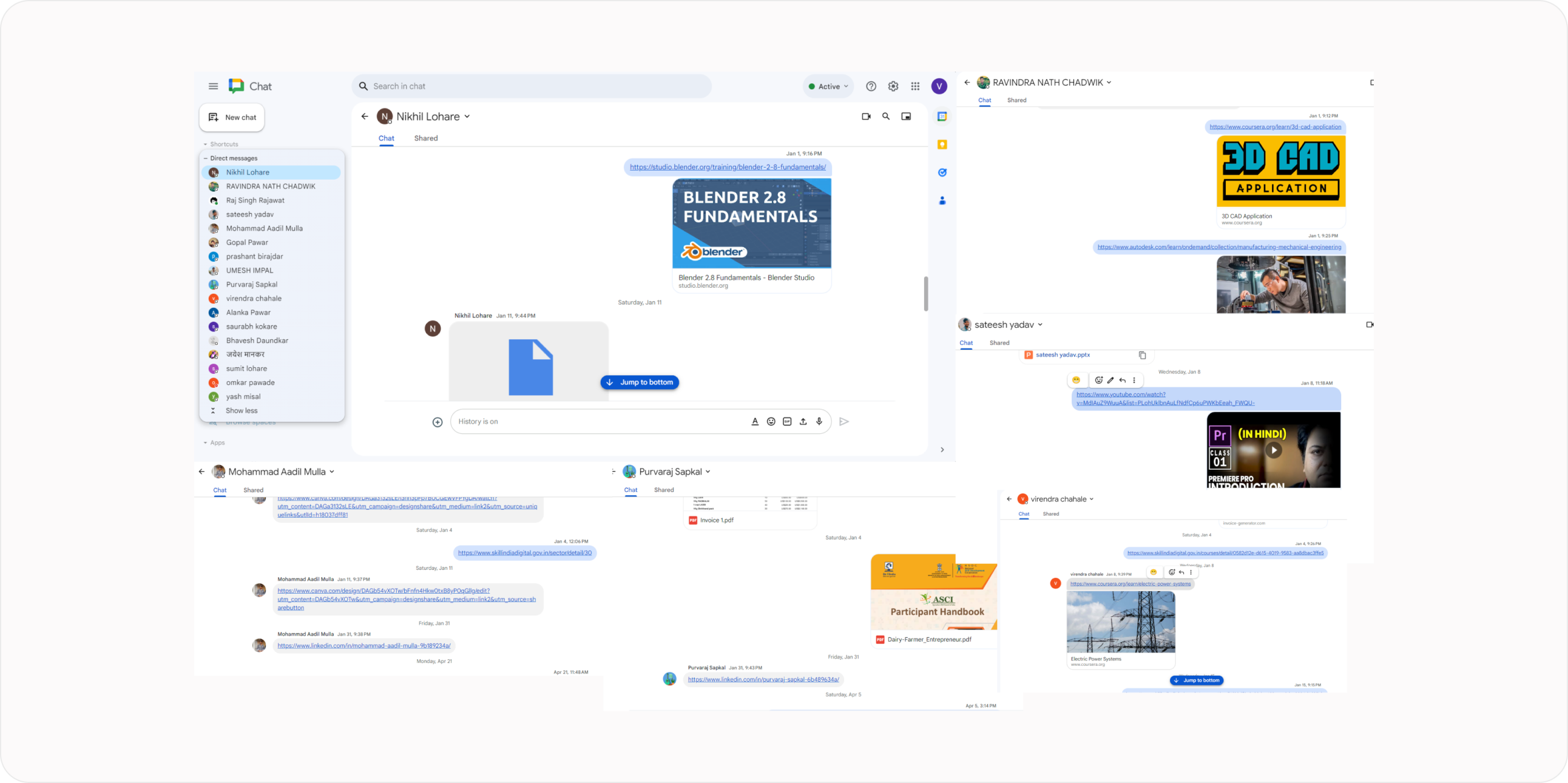
Minimal Guidance and training for the participants through the facilitator and letting exploration flower. By the end of week 1 and beginning of week 2 courses were shared with these students on google chat, which they learned how to use in the first week
In the middle of weeks 2-4
Minimal Guidance and training for the participants through the facilitator and letting exploration flower. By the end of week 1 and beginning of week 2 courses were shared with these students on google chat, which they learned how to use in the first week
Student collaboration
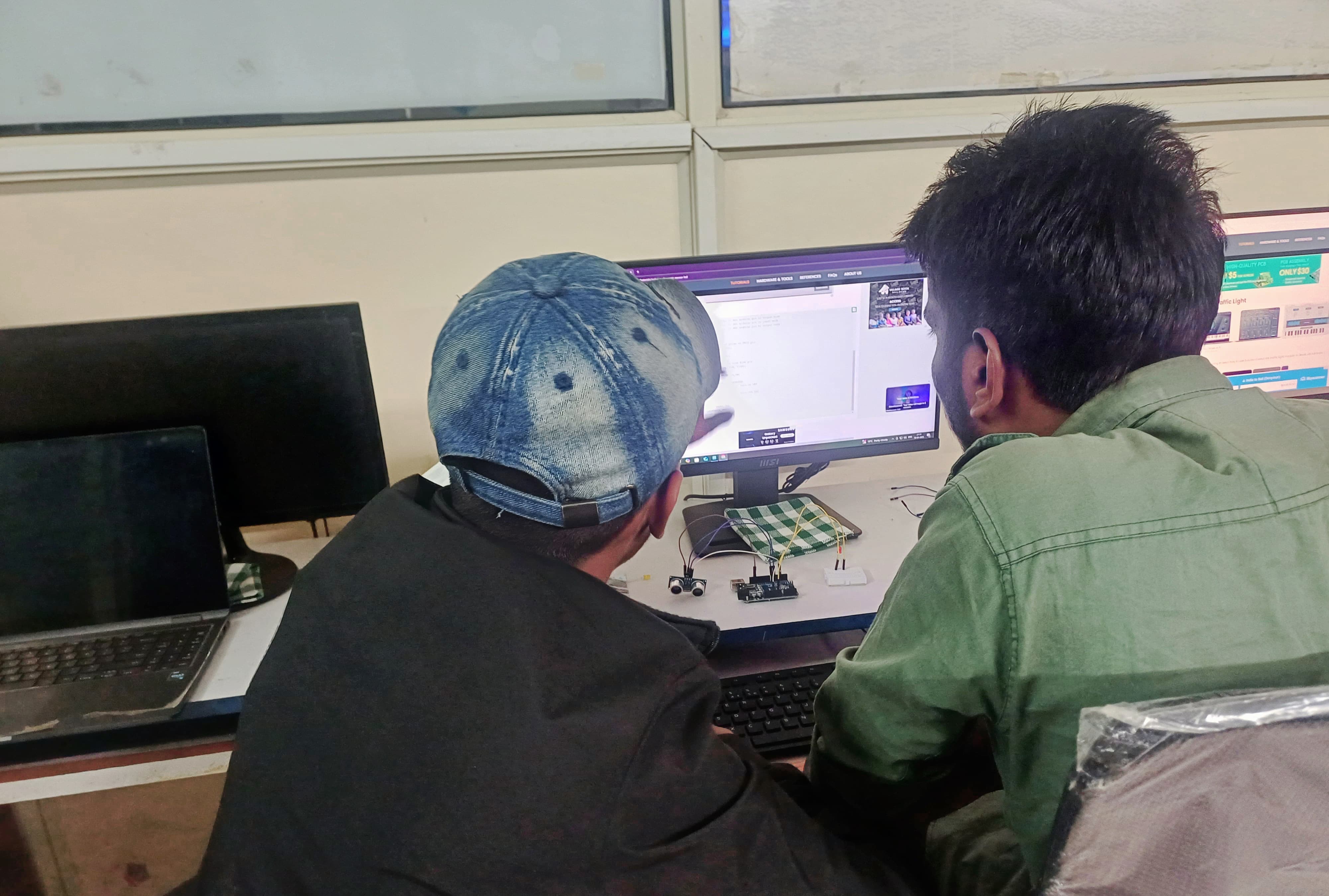
With vivid background came vivid learning opportunities. Students were motivated to collaborate with each other to help each other in what they lacked.
 GIF
Sharing sessions
At the end of each week, students had to share with each other what they learnt in the week to provide insights into learning opportunities from each other and how they were tackling challenges.
Outcome
At the end of weeks 12-16
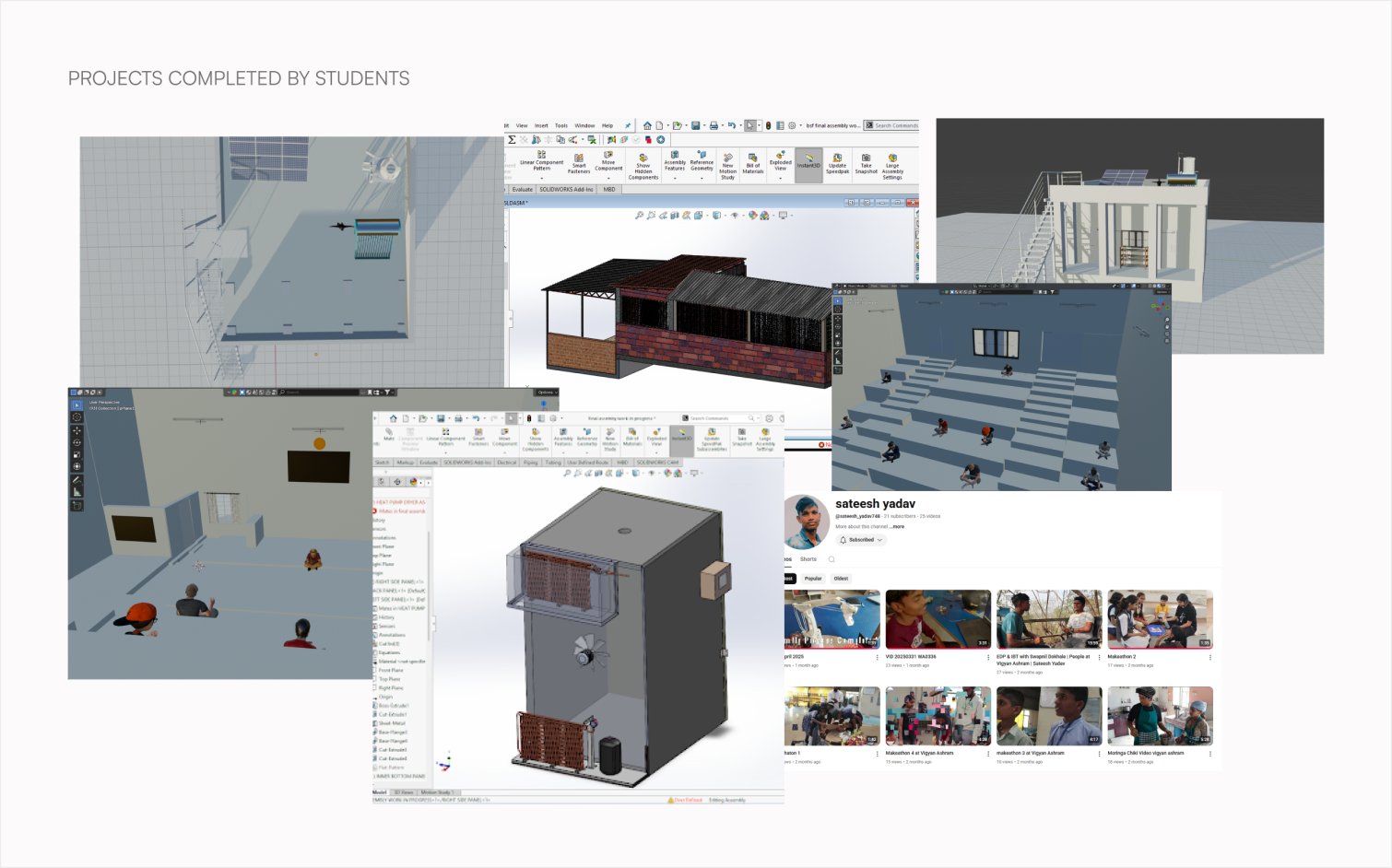
Students were given assignments and projects related to their learning, interests, and based on their skills in hand-based skills courses. Students who were part of software-related courses completed 3D models without help of the facilitator (I also did not know how to use the software being used by the students for these models.
Learnings
Digital library
Based on learner feedback, we continued tracking the online course chosen by students to create a vast library of course content that could be of help for more rural students. Being based on feedback, it would support students to start from a selective content in future.
Structure for better class
Students whose interests were related to campus learning + past experience performed better than other students in terms of retention and dedicated time. This insight helped the organization to restructure the courses for developing students learning interest through digital channels.
Facilitator role learning
A basic computer educator can help students learn multiple interests, this is a model where a “learning” environment is naturally created in the class
Increased student motivation
Students who continued till the end of the 3 months had higher digital literacy and motivation for their career.
A story from the experiment

Sateesh Yadav
Asked on day one: how to use a trackpad on laptop?
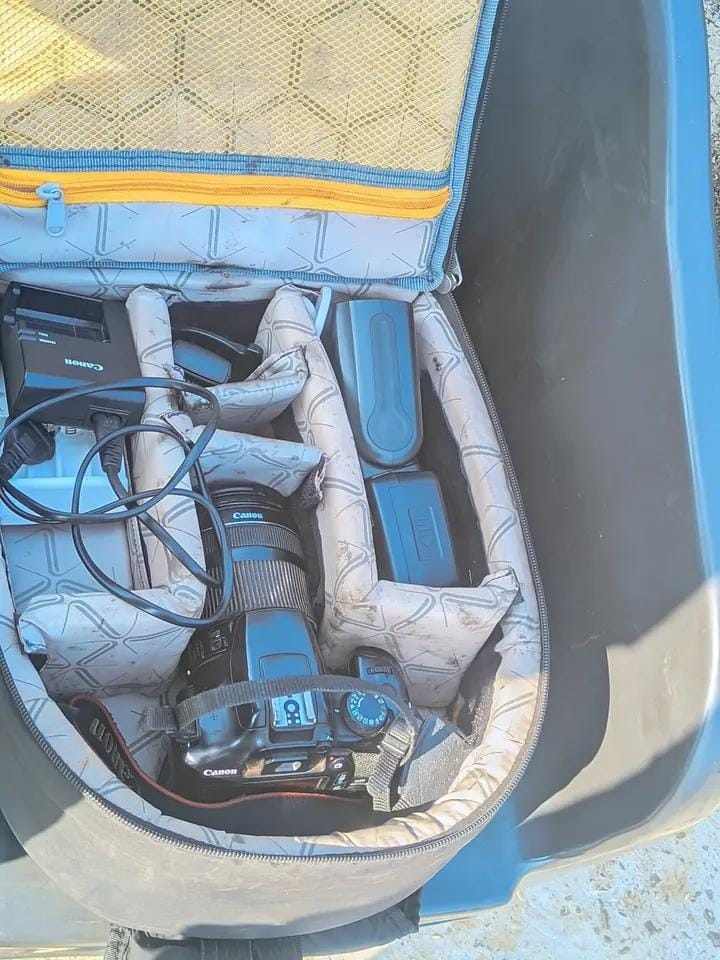
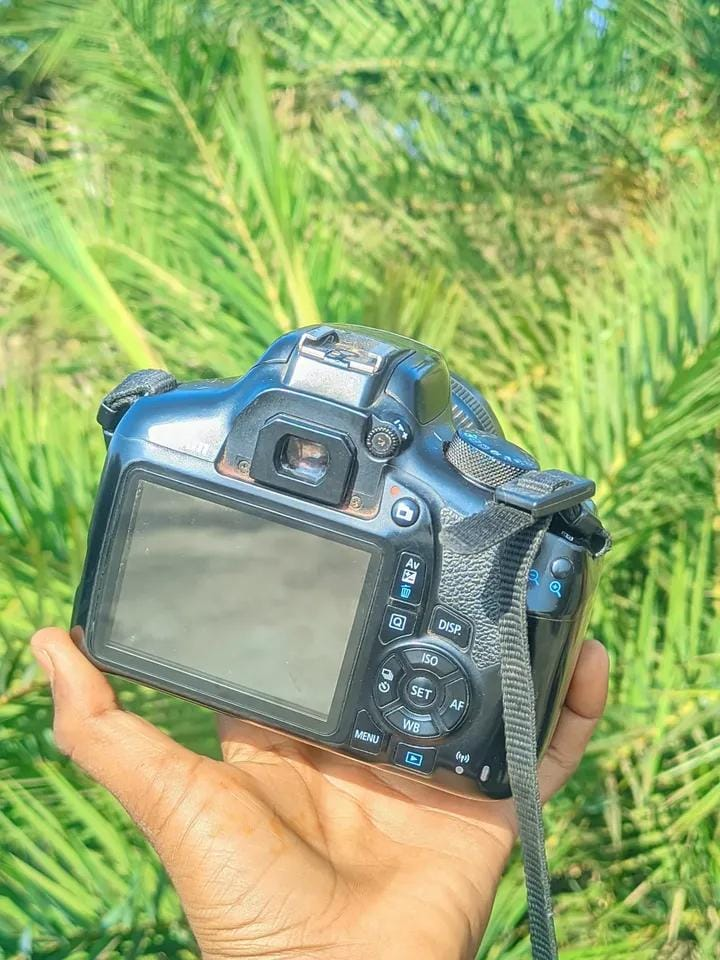
Continued learning and working part-time to buy his first camera recently. Will start taking clients soon, let me know if you want be one :)
Bought his first camera after a year of the course from his own savings to continue learning video editing

Key learnings
“Education systems should be seen as evolving organisms—living beings that grow, adapt, and respond to their environment.” – This is what I believe should be the way to look at systems for the future.